Glass thickness is not one-size-fits-all. The glass that works for a picture frame is dangerous in a shower door. The glass that works for a window is too thin for a table top. Getting the thickness right means the difference between glass that lasts 30 years and glass that cracks the first time someone leans on it. As a 3rd generation glass glazier, I have cut and installed glass in every thickness from 1/8″ to 1/2″ — and the right choice always depends on the application, the building code, and the load the glass needs to carry.
What Are the Standard Glass Thickness Options?
Glass thickness is measured in fractions of an inch. Here is the range we work with at LA Glass, from thinnest to thickest:
- 1/8″ (3mm) — Single-strength glass. Used for picture frames, small cabinet doors, and lightweight decorative applications. Too thin and fragile for any structural use. Never used for windows, doors, or furniture.
- 3/16″ (5mm) — The thinnest glass used in single-pane windows. Common in older Los Angeles homes built before the 1980s. Meets minimum code for small window panes but lacks durability and insulation.
- 1/4″ (6mm) — Double-strength glass. The standard for single-pane residential windows, shelf glass, and some custom mirrors. Thick enough for most table tops under 24″ in any dimension. Also used as the individual pane thickness in insulated glass units.
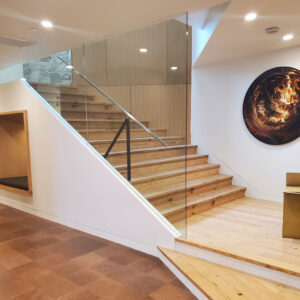
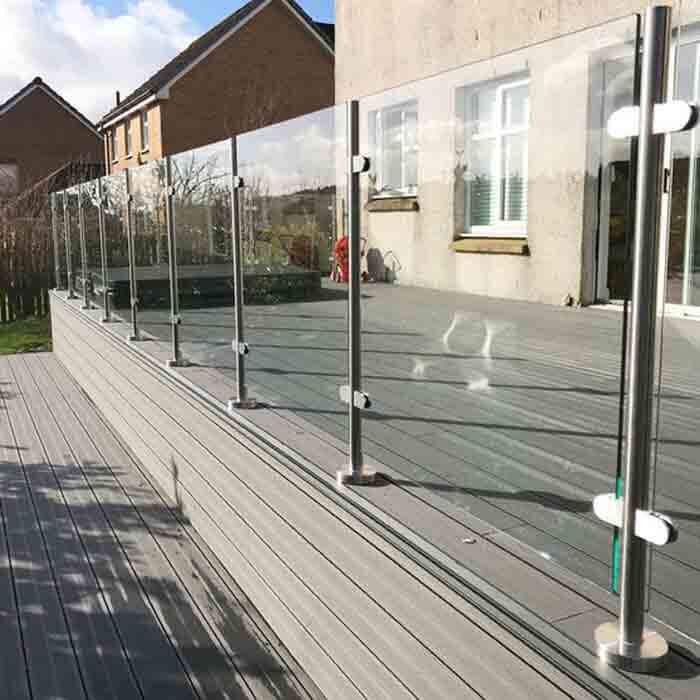
- 3/8″ (10mm) — Heavy glass. The entry point for frameless shower doors, glass railings, and larger table tops. Strong enough to support its own weight on hinges. Used for glass shelves carrying significant weight.
- 1/2″ (12mm) — Premium heavy glass. Used for floor-to-ceiling shower enclosures, large glass doors, heavy-use table tops, and commercial applications like storefront windows. The premium option when maximum strength and a substantial feel matter.
For window glass repair in Los Angeles, the most common replacement is 1/4″ tempered or an insulated glass unit combining two panes of 1/4″ glass with a sealed air gap.
When Do You Need Tempered Safety Glass?
California building code requires tempered safety glass in any location where human impact is likely. If you are replacing glass in these locations, the replacement must be tempered:
- Shower doors and enclosures — All shower glass must be tempered, no exceptions
- Glass doors — Entry doors, patio doors, sliding doors, and any door-adjacent sidelights
- Windows near doors — Any window within 24″ of a door edge
- Windows near the floor — Any window with glass within 18″ of the floor
- Windows near walking surfaces — Glass within 36″ of a walking surface
- Stair railings — Glass used in guardrails and stair railings
- Table tops — Not strictly required by code for residential, but strongly recommended for any table that will see regular use
- Glass near wet surfaces — Bathtubs, hot tubs, saunas, and steam rooms
Tempered glass is heat-treated in a furnace to over 1,100°F, then rapidly cooled. This process creates surface compression that makes it 4-5 times stronger than annealed (untreated) glass. When tempered glass breaks, it crumbles into small, relatively harmless pebbles rather than sharp shards. Our residential glass page covers safety glass requirements for all home applications. We never install annealed glass where code requires tempered.
What Is Insulated Glass and When Do You Need It?
Insulated glass units (IGUs) consist of two panes of glass separated by a sealed airspace with a spacer bar around the perimeter. The airspace — typically 1/2″ to 3/4″ — provides the insulation. Most IGUs use two panes of 1/4″ glass, making the total unit about 1″ thick. But the insulation comes from the air gap, not the glass thickness. You need insulated glass when:
- Replacing windows in an air-conditioned home in Los Angeles — single-pane glass loses 10-15 times more heat than an IGU
- Replacing fogged double-pane windows — once the seal fails and moisture enters, the IGU has lost its insulating value
- Meeting California Title 24 energy code during window replacement — most climate zones require IGUs for new and replacement windows
For window glass repair, we can match the existing IGU thickness and coating type to ensure your replacement unit fits the frame and performs correctly.
What Glass Thickness Should You Use for Shower Doors vs. Windows vs. Table Tops?
The right thickness depends entirely on the application:
- Shower doors: 3/8″ minimum for frameless, 1/2″ for premium feel and wide doors. Both thicknesses are tempered. Framed shower doors can use thinner glass (1/4″) because the metal frame provides structural support. Our custom shower doors page has more on frameless vs. framed options.
- Windows: 1/4″ per pane in an insulated unit. The total unit thickness — including the airspace — is what determines fit in the window frame. Most residential IGUs are 7/8″ to 1″ overall. Single-pane windows use 1/4″ glass.
- Table tops: 1/4″ for small desks and nightstands (under 24″ span). 3/8″ for dining and coffee tables. 1/2″ for large conference tables, heavy-use dining tables, and tops over 48″ in any dimension. All should be tempered. See our glass table tops page for a full measurement guide.
- Mirrors: 1/4″ is standard for wall-mounted custom mirrors. Gym mirrors and large wall installations may use 1/4″ tempered for safety. The mirror coating adds no strength — the glass base thickness determines durability.
- Shelves: 1/4″ for light display (books, collectibles). 3/8″ for kitchen shelves carrying dishes and heavy items. 1/2″ for extra-heavy loads. All shelf glass should be tempered if it supports weight above shoulder height.
Why Trust a 3rd Generation Glazier with Your Glass Selection?
Glass is a material you interact with every day — windows you look through, shower doors you open, tabletops you eat on. The wrong glass choice creates a safety hazard or an expensive re-do. I am Gustavo Ramos, owner of LA Glass. Glass runs in my family — I am a 3rd generation glass glazier who learned the trade from my father and uncles. After serving in the US Air Force communications squadron, I started LA Glass in 2008 with $15,000 and a commitment to doing glass work the right way. My team and I bring a servant’s attitude** and a **methodical approach** to every project — from window glass repair to custom shower doors to commercial storefronts. We are a **veteran-owned SBA registered small business, and we have served Los Angeles, Orange County, and the San Fernando Valley for over 17 years.
REQUEST QUOTE NOW!
Need glass for a home project? Call us at 323-366-4202** for Los Angeles County, **714-831-3190** for Orange County, or **747-285-7941 for the San Fernando Valley. Or visit our contact page to request a free estimate. Our estimator can visit your home, take measurements, and recommend the right glass for the job.
FAQ Section
Q: Can I use regular glass instead of tempered glass to save money?
A: Not where building code requires tempered glass — and code requires it in most locations where human impact is possible. Using non-tempered glass in a shower door, door sidelight, or low window creates a serious laceration risk. The cost difference between annealed and tempered is modest, and the safety difference is enormous.
Q: How do I know if my existing glass is tempered?
A: Look for a small etched bug or label in one corner — tempered glass is required to carry a permanent manufacturer’s mark. If you cannot find it, a glass professional can check using polarized light, which reveals the stress pattern unique to tempered glass.
Q: Why are my double-pane windows foggy between the glass?
A: The seal on the insulated glass unit has failed. Moisture has entered the airspace between the panes. The unit cannot be repaired — the glass must be replaced. This is one of the most common window glass repair calls we get in Los Angeles.
Q: Can glass be cut to size on site?
A: Annealed glass can be cut on site. Tempered glass cannot — it must be cut to size before tempering. Any attempt to cut tempered glass causes it to shatter instantly. This is why we measure precisely, then fabricate tempered glass to the exact dimensions.
Q: What is the best glass thickness for soundproofing?
A: Sound reduction depends on glass mass and air gap. Laminated glass (two panes bonded with a PVB interlayer) reduces sound transmission more than monolithic glass of the same thickness. For windows, double-pane IGUs with dissimilar glass thicknesses (e.g., 1/4″ outer pane + 3/16″ inner pane) perform better than identical panes because different thicknesses block different sound frequencies.
Q: Does thicker glass provide better insulation?
A: Not meaningfully. The insulation value comes from the air gap in an insulated glass unit, not from the glass thickness. Low-E coatings on the glass surface provide the biggest efficiency improvement. A 1″ IGU with low-E coating performs far better than thicker monolithic glass.