
Is Storefront Glass Required to Be Fire-Rated in Los Angeles?
By The LA Glass Company — Veteran-Owned & 3rd Generation Glass Experts — November 2026
Not every pane of storefront glass in Los Angeles needs to be fire-rated — fire-rated glazing is required only where the building code demands a fire-resistance separation. The requirement depends on where the glass sits: whether it is part of a fire wall, a rated corridor, or an exit path, and how close it is to a property line. The only way to know for certain is to check the building code for your specific occupancy, and a glazing contractor can help you verify it against the drawings.
Does Commercial Glass Have to Be Fire-Rated in Los Angeles?
Most standard storefront glass — the clear panes facing the street — is not fire-rated glazing. Everyday storefront systems are built for weather, security, and visibility, and the code treats them differently from rated separations. Fire ratings come into play at specific locations where the code draws a line around fire spread.
- A typical storefront on a commercial street uses tempered or laminated safety glass; that is an impact and safety requirement, not a fire rating.
- Fire-rated glazing is specified when the glass is part of a wall assembly that must resist fire for a set period, usually measured in minutes of protection.
- Fire walls, corridors serving as exit paths, and separations between tenant spaces are the places where rated glazing shows up.
- The Authority Having Jurisdiction (AHJ) — the building department that issues your certificate of occupancy — is the final word on what applies to your space.
So the short answer is: no, storefront glass does not automatically need fire rating. The long answer is that your specific walls, penetrations, and exit path decide it.
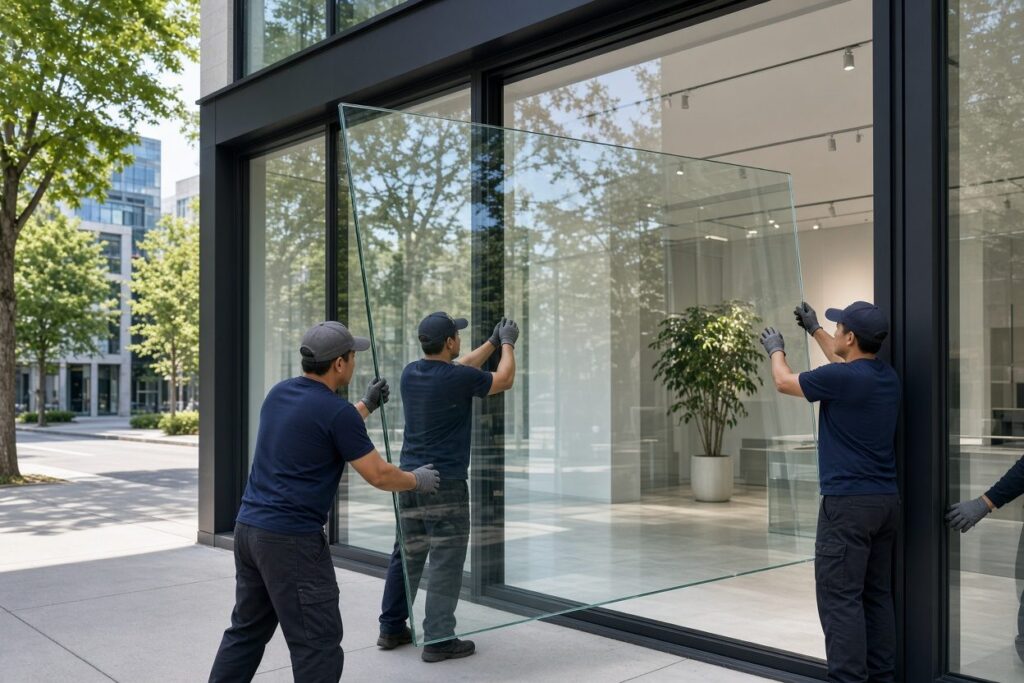
What Is Fire-Rated Glass?
Fire-rated glass is glazing that has been tested and labeled to resist fire and, in many cases, radiant heat for a rated period — typically 20, 45, 60, 90, or 120 minutes. It is not the same product as regular safety glass, and the two should never be swapped.
- Wired glass is an older fire-protection product with a wire mesh embedded in the pane, still found in some rated applications.
- Ceramic glass handles high heat and provides fire protection with better clarity than wired glass.
- Laminated fire-resistive glass uses intumescent interlayers that expand in heat, blocking fire AND radiant heat transfer — the modern choice for rated storefronts and corridor glazing.
- Every rated product carries a label showing its fire rating and the assembly it was tested in, so installers and inspectors can verify it on sight.
Fire-rating labels matter because glazing is tested as part of an assembly — the glass, the frame, and the hardware all contribute. Using a rated glass in the wrong frame voids the rating entirely.
💠 Related Content →
Commercial Glass Safety
Where Do Fire-Rated Requirements Apply in a Storefront?
Rated glazing appears where the building code needs a fire-resistance-rated separation — stopping fire from moving between spaces, not about the storefront window itself.
- Separation walls between tenants in a multi-tenant building are a common place for rated glass.
- Corridors that serve as exit paths often require rated glazing along the corridor wall.
- Stairwell and elevator lobbies are rated areas where ordinary storefront glass does not belong.
- Penetrations around rated walls — doors, sidelites, transoms — all need to match the rating of the wall they sit in.
A storefront that wraps a corner or sits close to a property line may also trigger additional requirements from the fire code. The exact trigger depends on the building, the occupancy, and the drawings your architect or contractor works from.
How Do You Know If Your Storefront Glass Meets Code?
You verify it the same way an inspector does: check the drawings, check the labels, and ask the installer for the documentation. Guessing is how owners end up with corrective work during a tenant improvement closeout.
- Review the approved building plans for the storefront — rated locations are marked on the drawings.
- Look for permanent labels on the glazing and frames; rated glass and hardware carry them.
- Ask for the glazing schedule from the project — it lists which panels are rated and to what duration.
- If you inherited a space, a glazing contractor can assess the storefront and tell you what likely meets code before the fire marshal does.
That verification step is exactly what LA Glass walks owners through on storefront glass installation projects — confirming the right glass for the right location before anything is ordered.
REQUEST QUOTE NOW!
Call 310-736-4374.
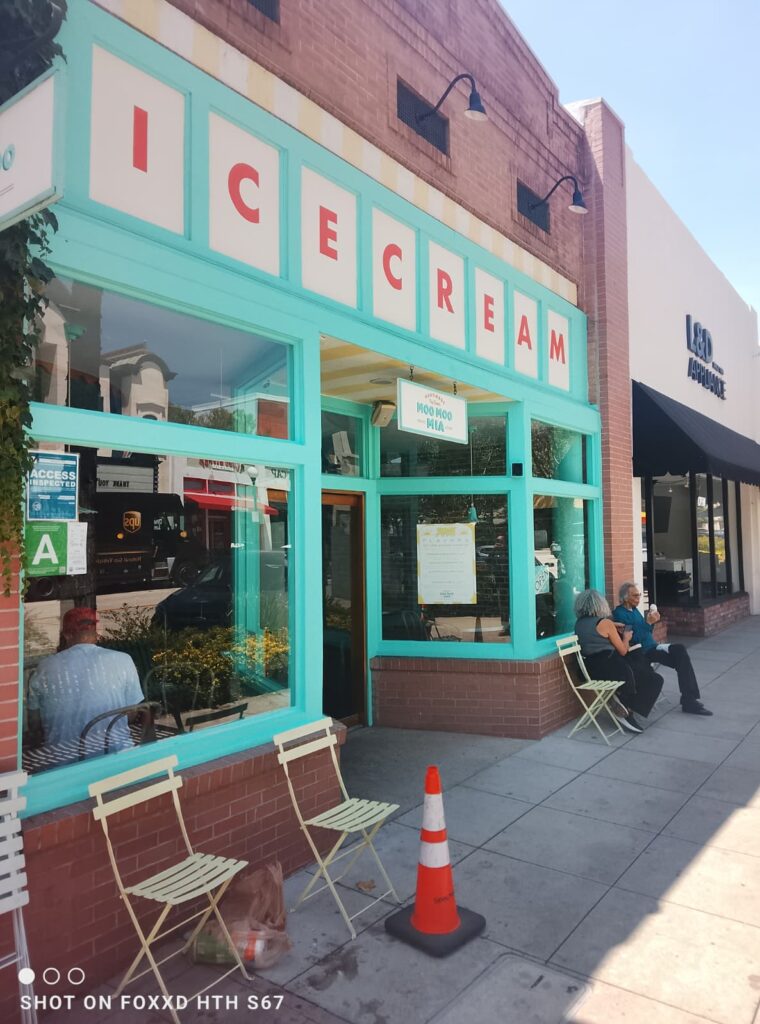
What Happens If Your Storefront Fails an Inspection?
A failed inspection means the rated locations do not match the approved plans — usually because the wrong glass or frame went in, or the rating documentation is missing. It is correctable, but it costs time and money, so it is worth getting right the first time.
- The inspector issues a correction notice listing the specific non-compliant items; every item needs a documented fix.
- Replacing non-rated glass in a rated opening means new glazing, possibly a new frame, and a re-inspection.
- In some cases the issue is paperwork, not product — the glass is correct but the label or test documentation was never filed, and that is fixable too.
- While corrections are pending, some occupancies can operate under temporary conditions and inspection schedules; others cannot open until the fix is verified.
Beyond fire rating, LA also layers in seismic considerations — storefront glazing in framed openings needs the anchorage and clearance to survive lateral movement. And fire rating is a separate requirement from safety glazing: tempered or laminated glass handles impact protection, while fire-rated glass handles flame and heat. The two are different questions, and a single pane can carry both answers when specified correctly.
How Does LA Glass Help Owners Get Storefronts Right?
LA Glass has spent years installing and repairing storefronts across Los Angeles, Orange County, and the San Fernando Valley, and code compliance is part of every job. We do the verification work so owners do not have to decode the building code alone.
- We confirm which openings need rated glazing from the plans before quoting.
- We install labeled, tested glass and frames matched to the required fire rating.
- We keep the documentation organized so your inspection closeout is smooth.
- If a panel fails or an emergency hits, our 24/7 emergency glass repair team handles board-ups and replacement around the clock.
If you are planning a storefront, renovating a space, or just inherited an older building, start the conversation with a request a quote. We will tell you what your glass needs to do — fire rating, safety glazing, or both — before a single panel is ordered. For anything involving commercial glass, from rated partitions to storefront doors, the same team handles design, fabrication, and installation under one roof.
REQUEST QUOTE NOW!
Call 310-736-4374.
FAQ
Q: Does all storefront glass need to be fire-rated in Los Angeles?
A: No. Fire-rated glazing is required only where the building code demands a fire-resistance separation, such as rated walls, corridors, and exit paths. Standard street-facing storefront panes typically use safety glass instead.
Q: What is the difference between safety glass and fire-rated glass?
A: Safety glass (tempered or laminated) protects against impact and injury. Fire-rated glass is tested to resist fire and heat for a rated time. They are separate requirements, and one pane can carry both.
Q: How can I tell if my storefront glass is fire-rated?
A: Rated glazing and frames carry permanent labels showing the fire rating and tested assembly. You can also compare against the approved building plans and the project’s glazing schedule.
Q: What are common fire-rated glass types?
A: Wired glass, ceramic glass, and laminated fire-resistive glass with intumescent interlayers are common types. Modern fire-resistive glazing also blocks radiant heat, which wired and ceramic glass do not always do.
Q: What happens if storefront glass fails a fire inspection?
A: You receive a correction notice listing the non-compliant items. The fix usually means replacing the glazing or frame with rated products, providing documentation, and scheduling a re-inspection.
Q: Does earthquake protection affect storefront glass requirements in LA?
A: Yes. Framed glazing in LA must also be anchored to survive seismic movement, which is a separate requirement from both safety glazing and fire rating.
READY TO GET YOUR STOREFRONT GLASS RIGHT?
Tell us about your storefront project and we will verify what your glass needs to meet LA code — fire rating, safety glazing, or both. 3rd generation expertise, veteran-owned, serving Los Angeles, Orange County, and the San Fernando Valley since 2008.
Call 310-736-4374
Recent Posts
- How Long Do Sliding Glass Doors Last?
Nov 2, 2026 - Home Gym & Yoga Studio Mirrors in Los Angeles
Oct 5, 2026 - Double-Pane vs. Single-Pane Windows
Sep 28, 2026